

Ringtone Records was already challenging the conventional record label model in the mid 2000s through digital only music. AI music production wasn't a sudden attempt to enter a fashionable new market. It was a natural continuation of the same independent approach to music and technology.

In 2023, Ringtone Records 26 began releasing AI assisted music, with Good Morning on Christmas, Solo Piano B Major arriving on November 7, followed by Slow Zap (Solo Piano) on December 9. Distributed through Symphonic, these recordings marked the beginning of a new chapter for a label that had spent nearly two decades working outside conventional music industry models.

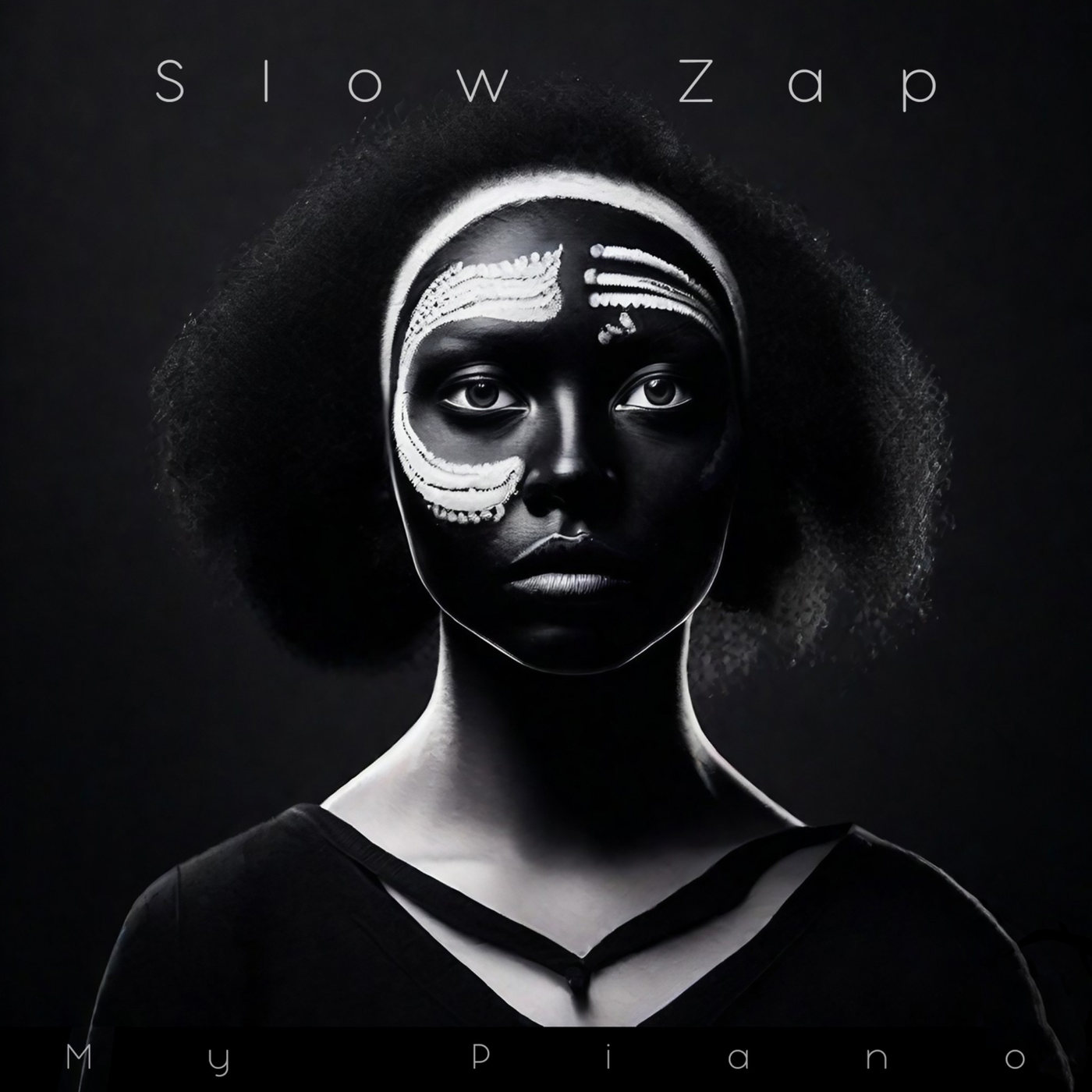
These early recordings combined AI generated MIDI with hands on musical editing and production by Brice Salek. Rather than accepting automated output as a finished composition, Salek altered the MIDI performances and shaped the resulting recordings himself. The process established an approach that remains central to Ringtone Records 26 today: artificial intelligence can provide musical material, but the finished recording is the result of human creative decisions.
The question of who established the world's first AI record label may become a subject of competing claims. For Ringtone Records 26, the distinction was largely beside the point. Artificial intelligence arrived at a time when new production possibilities allowed the label to continue developing its catalogue and creative ambitions. The objective was never to win a race to be first. It was to keep making music and creating with the latest computer technology.
Unlike fully automated music generation, the Ringtone Records 26 approach places human production at the center of the recording process. Salek works extensively on songwriting and post production, refining arrangements, editing audio and shaping the finished sound. Artificial intelligence provides creative possibilities, but musical judgment and years of production experience determine what ultimately reaches the listener.
The experience of working through earlier changes in digital music also informs the label's direction today. As music production becomes increasingly accessible, the volume of available recordings will continue to grow. Producing more music, however, does not necessarily mean producing better music. Ringtone Records 26 places its emphasis on developing individual recordings rather than treating automated output as a finished product.
The emergence of AI music represents another fundamental change in how recordings can be made. For Ringtone Records 26 and its evolving roster of 12 artist projects, it is part of a longer history of incorporating new technology while maintaining an independent identity. The tools have evolved, but the underlying approach remains consistent: use the technology available, don't spend money you don't have, make deliberate artistic decisions and produce the best music you can.
Ringtone Records 26
Independent Record Label